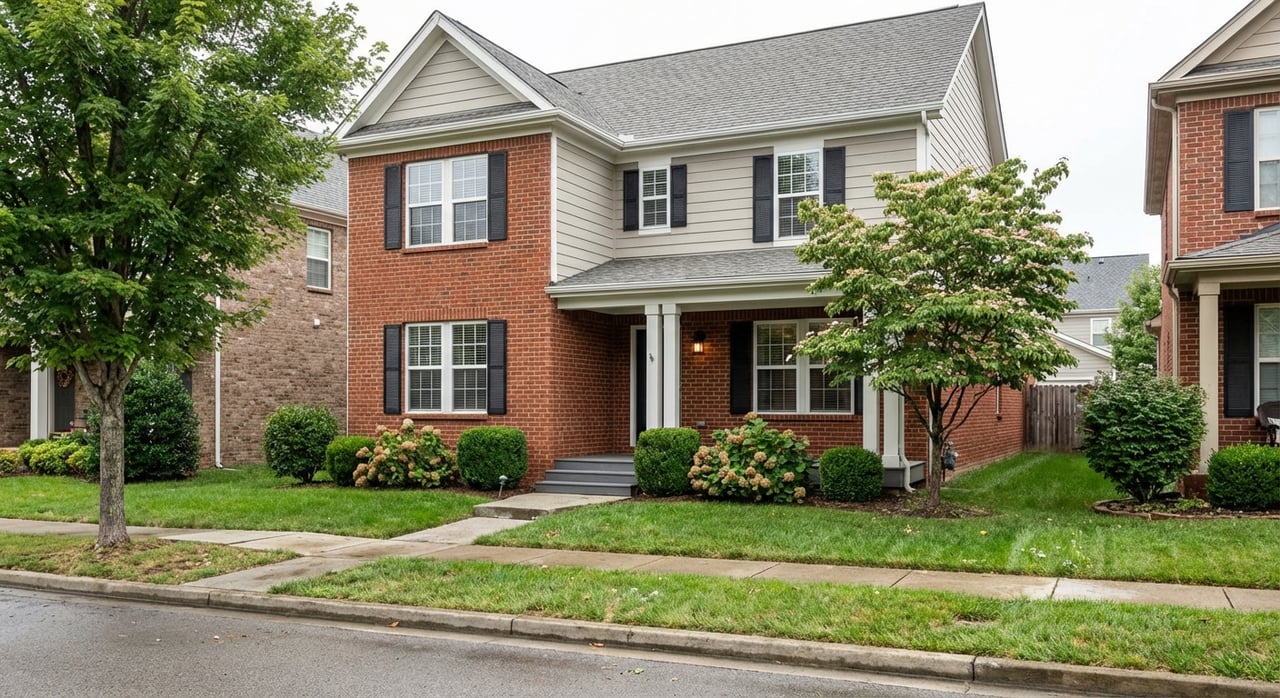
You are not imagining it: good homes in Palmyra get snapped up fast, especially at the price points most first-time buyers target. You want to land a solid home without blowing your budget or taking risky shortcuts. In this guide, you will learn how the Palmyra market behaves right now, how to get your financing dialed in, and how to write an offer that can win while still protecting you. Let’s dive in.
Palmyra market at a glance
Typical Palmyra prices sit in a tight band. As of early 2026, multiple data sources show a range from the mid 200s to the mid 300s for common single-family and townhome options. Zillow’s ZHVI placed the typical value near 333,009 dollars (data through Jan 31, 2026). Realtor-style ZIP snapshots often show medians in the low-to-mid 340s, while some city-only sold-price snapshots have dipped lower at times due to small sample sizes. Different geographies and methods explain the spread, so use the range to set expectations.
Inventory is limited, and that drives competition. Recent snapshots showed only a few dozen active listings inside Palmyra at any time. Countywide numbers back this up: a 2025 recap for Lebanon County reported roughly 2.1 months of supply and about 16 days on market on average, signs of a competitive environment that filters into Palmyra’s entry and mid bands. You can review that county context in this Lebanon County 2025 market recap.
Sale-to-list behavior hovers near 100 percent, and in hotter months a meaningful share of homes have sold over asking. The takeaway is simple: well-priced, move-in-ready homes can draw multiple offers, while overpriced listings may allow room to negotiate. Always anchor your decisions to very recent, hyperlocal comps.
Note: MLS numbers change weekly. Before you act, review the last 90 days of Bright MLS comparables for your target street, size, and condition.
Where first-time buyers find value
Palmyra offers a mix of older in-town homes, mid-century ranches and Cape Cods, newer suburban builds, and townhome communities. That variety creates options if you are balancing budget with convenience. Smaller early-1900s homes can bring walkable locations, while newer homes on the edges may offer modern layouts at similar prices.
Commute access is a draw. Palmyra is about 6 miles to Hershey and roughly 23 miles to Harrisburg, which helps if you work in those job centers and prefer a smaller-town feel.
Schools also influence demand. According to local reporting on the latest U.S. News results, Palmyra Area High School ranked well among Lebanon County peers for 2025–2026, which can support long-term demand and resale strength. See the summary in this LebTown article.
Get finance-ready fast
A verified pre-approval beats a quick online pre-qual every time. With a true pre-approval, your lender checks income, credit, and assets so you can present a strong letter that reduces seller risk. If you are unsure what lenders verify and why it matters, review this clear explainer from Freddie Mac on pre-approvals.
Ask about Pennsylvania programs for first-time buyers. The Pennsylvania Housing Finance Agency offers Keystone purchase loans and assistance programs like K-FIT and HOMEstead that can reduce your cash to close if you qualify. Start early with a PHFA-participating lender so you understand income and price limits, education requirements, and timing. Explore options on the PHFA program page.
Layer grants where possible. Some banks and credit unions participate in FHLBank Pittsburgh initiatives that match your funds for down payment and closing costs. Availability is limited to funding rounds and participating lenders, so ask your lender to check current windows. Learn the basics via this First Front Door and Pennsylvania DPA overview.
Build a winning offer in Palmyra
Price and terms that stand out
- Lead with certainty. Pair a verified pre-approval with a lender who can meet tight timelines. Shorter financing and appraisal deadlines can matter as much as price.
- Signal commitment with earnest money. Many buyers deposit 1 to 3 percent of the price. Offering a bit more can help your offer rise to the top without changing the purchase price.
- Tighten your inspection window. Instead of waiving inspections, shorten the period to 3 to 5 business days. You keep protection while giving the seller confidence in a quick path to closing.
- Use a repair cap. Agree that you will only request repairs up to a set dollar amount. This gives the seller predictability while you retain a safety net for bigger issues.
When to use an escalation or gap
- Escalation clause. If multiple offers are likely, you can agree to beat the next-best offer by a fixed amount up to a clear cap, with proof of the competing offer. Define the cap before you write.
- Appraisal gap coverage. If you expect bidding to push price above appraised value, commit to a capped amount you can cover from savings. Your loan will still be based on the appraised value, so do the math with your lender first.
A realistic winning combo
Many first-time buyers win with a balanced package rather than the absolute highest price. Here is an example you can tailor with your agent:
- Competitive price supported by fresh comps
- Verified pre-approval with tight financing and appraisal timelines
- Earnest money above the local norm
- Inspection period of 3 to 5 business days with a 5,000 dollar repair cap
- Appraisal gap coverage up to 10,000 dollars, only if needed
- Clear escalation terms with a firm ceiling, used only when the listing context supports it
Protect yourself without losing ground
You rarely need to waive your financing contingency. If your loan depends on appraisal and underwriting, removing that protection can expose you to large losses. Instead, strengthen your pre-approval and shorten timelines. Keep your inspection contingency, but limit it to major defects and safety issues so the seller still sees a predictable path to closing.
For communication, keep it professional. Some buyers still ask about “love letters.” Many brokers caution against them because of fair housing risks, and some listing agents will not deliver them. If you consider one, never include information about protected classes and always follow your agent’s guidance. For context, see this NAR guidance on buyer letters.
Smart search moves to widen choices
- Include townhomes and newer edge-of-town subdivisions in your search. Competition can vary by property type and micro-location, and these homes often offer strong value.
- Be flexible on closing and occupancy. A seller who needs time may value a rent-back or a specific closing date more than another 2,000 dollars in price.
- Watch pre-MLS and coming-soon activity. Ask your agent to monitor Bright MLS and local networks for early signals so you can be first in line.
Budgeting basics for Palmyra buyers
Start with a realistic price band and cash plan. For a 300,000 dollar purchase, a 3 percent down payment is 9,000 dollars. Plan another 3 to 6 percent for closing costs, or 9,000 to 18,000 dollars, depending on your loan type, taxes, and insurance. Keep an emergency reserve after closing so you are not house-rich and cash-poor.
Down payment and closing cost assistance can offset part of that total if you qualify. PHFA programs and lender-partner grants sometimes add several thousand dollars in support, subject to income, price, and education requirements. Review program rules with a PHFA-participating lender and complete any required homebuyer education early. You can start your research on the PHFA overview page.
Finally, set a firm escalation and appraisal-gap ceiling before you tour. Decide what you are comfortable paying if competition heats up. That clarity reduces stress when the right home appears.
Inspections in Palmyra: what to watch
Palmyra’s geology includes areas of limestone. Some properties have experienced settling or drainage challenges, and borough leaders have discussed stormwater projects in recent years. Your inspector should pay close attention to grading, gutters, and any signs of movement.
If a property shows past settlement or you see suspicious cracks, ask for disclosures and consider a structural or geotechnical consult before finalizing repairs. A shorter inspection window still allows thorough due diligence when your team is prepared.
Your quick buyer checklist
- Get a verified pre-approval from a lender who knows PHFA options.
- Set your max price, escalation cap, and any appraisal-gap limit in advance.
- Keep inspections, but shorten the window and focus on major items.
- Budget earnest money and be ready to deposit quickly.
- Ask about PHFA and FHLBank grants and required homebuyer education.
- Work with a local agent who tracks Bright MLS and pre-MLS opportunities.
Buying your first home in Palmyra is absolutely achievable with the right plan. If you want a local strategy, clear comps, and offer terms that compete without unnecessary risk, let’s talk. Connect with David Becker to get a tailored game plan and on-the-ground support.
FAQs
What price range should first-time buyers expect in Palmyra in 2026?
- As of early 2026, a practical target for many single-family and townhome options is the mid 200s to mid 300s, with exact pricing set by very recent Bright MLS comps for your street and property type.
How fast do entry-level Palmyra homes sell?
- County context shows low months of supply and short days on market, and Palmyra’s entry and mid bands tend to be competitive, so well-priced homes can move in days rather than weeks.
Which financing programs can help Pennsylvania first-time buyers?
- PHFA programs like Keystone Home Loan and K-FIT, plus lender-partner grants tied to FHLBank Pittsburgh, can reduce cash to close if you meet income, price, and education requirements.
Are buyer “love letters” allowed in Palmyra offers?
- Many listing brokers avoid them due to fair housing concerns, and some will not deliver them; if you consider one, never include protected-class information and follow your agent’s guidance.
What inspections are common or recommended in Palmyra?
- Standard home inspections plus careful review of grading and drainage are typical; if you see signs of settlement, ask for disclosures and consider a structural or geotechnical opinion within your shortened window.