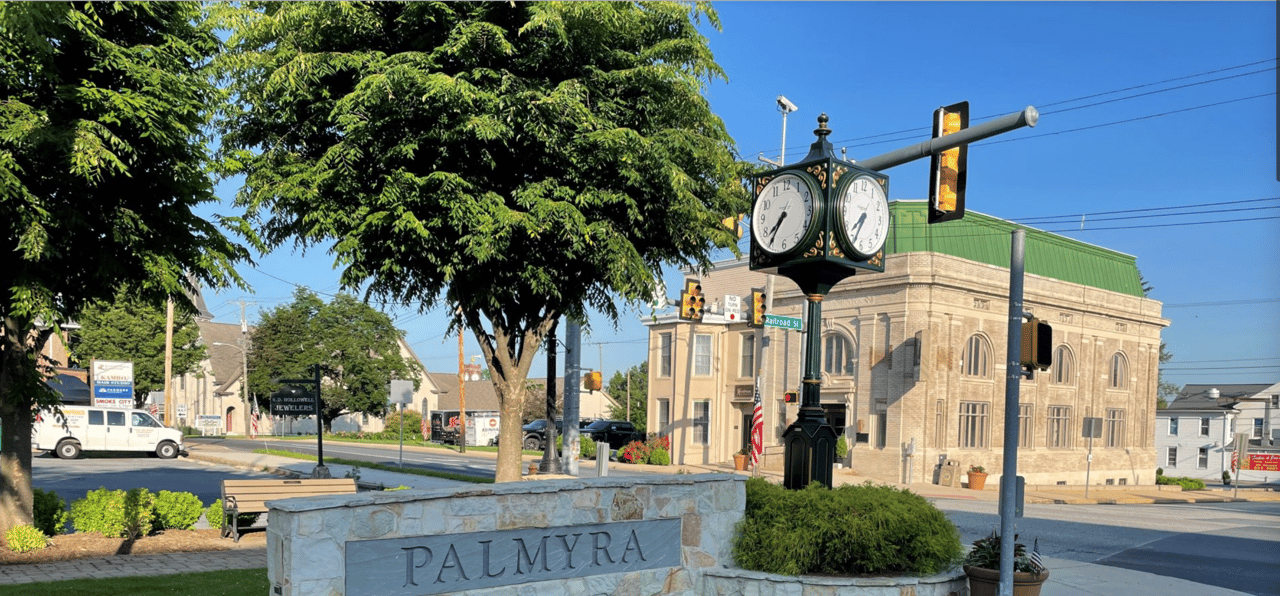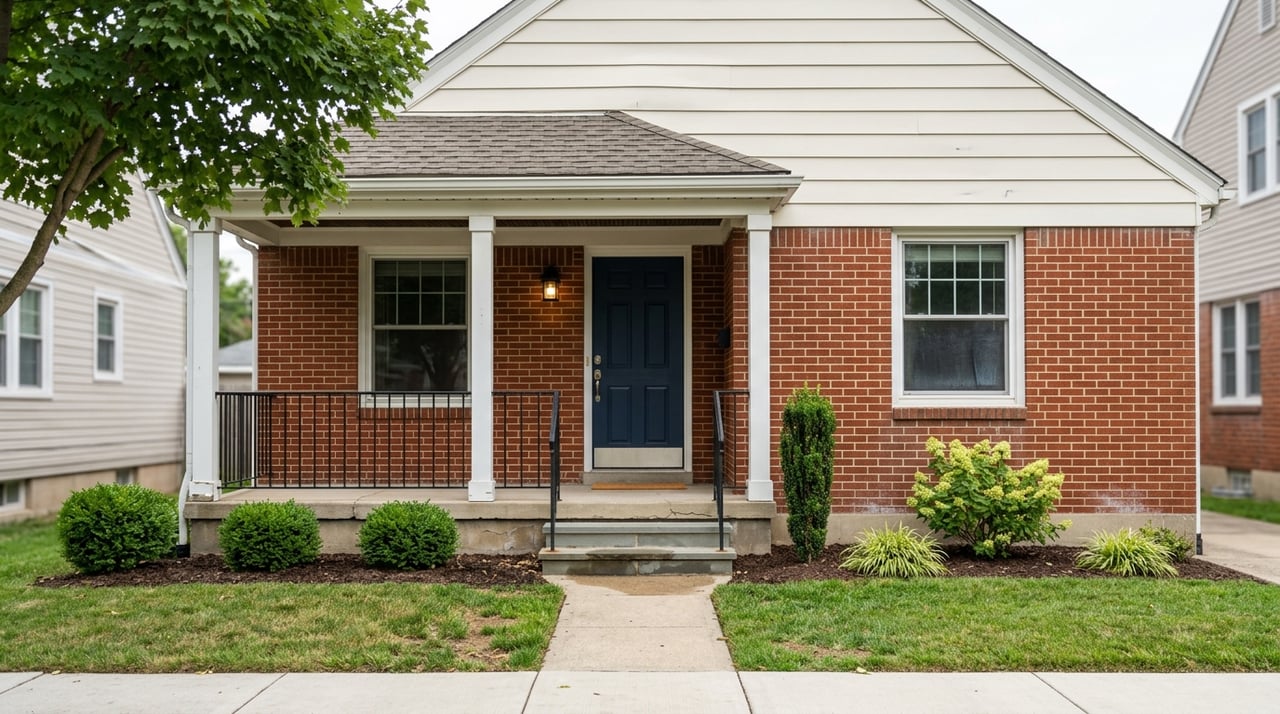
If you have been watching Lebanon lately, you may have noticed that downtown is not standing still. From beautification efforts to small-business support and public-space improvements, the city is putting real attention into its core. For you as a buyer, seller, or investor, that matters because downtown momentum can shape where housing demand builds next. Let’s dive in.
Why downtown Lebanon matters to home demand
Downtown Lebanon’s revitalization is not tied to just one big project. Instead, the city has multiple efforts underway that focus on practical improvements, economic development, and placemaking throughout downtown and beyond. That kind of steady, visible progress can influence how people think about living nearby.
The city partnered with Downtown Strategies, a division of Retail Strategies, to create a Five-Year Action Plan for Downtown Lebanon. According to the city, the goal is to focus on near-term, practical steps instead of ideas that never move forward. For homebuyers and property owners, that signals an active plan rather than a passive vision.
At the same time, the city is supporting businesses through a free platform that offers training in business modernization, omni-channel retail, restaurant resilience, property owner training, and holiday trends. When the commercial core becomes more stable and active, nearby housing often becomes more appealing because daily life feels more convenient and connected.
What is changing downtown now
Several city-backed efforts help explain why downtown Lebanon is getting more attention.
Beautification and upkeep
Lebanon’s 2025 proposed mayoral budget included an additional summer position to support downtown beautification and sanitation. The city also tied ARPA funding to projects such as the Cumberland Streetscape, Liberty Trail Park, and storm sewer improvements. These are the kinds of projects that can improve the look, function, and feel of the downtown area over time.
The city also continues year-round street sweeping, which reinforces that maintenance is part of the revitalization story. For buyers comparing locations, routine upkeep can shape how an area feels day to day.
Arts and public spaces
The Arts on 8th banner project focused on the 8th Street corridor between Chestnut and Cumberland Streets. The goal was to add vitality, support beautification, and showcase local talent. Small public art efforts like this may seem simple, but they help create a stronger sense of place.
Public-space investment also matters because it can make downtown feel more active and welcoming. When people enjoy spending time in a district, nearby homes can attract more interest from buyers who want convenience and lifestyle in one location.
Events and local activity
The mayor’s office highlights downtown restaurants, specialty shops, and recurring community events such as art walks, the Holiday Tree Lighting, the Classic Car and Motorcycle Show, and the New Year’s Eve Bologna Drop. Regular events help keep downtown visible and give residents more reasons to spend time there.
For home demand, that matters because buyers often look beyond the house itself. They also want to understand what it feels like to live in the area and what amenities or activities are close by.
Why nearby homes may get more attention
The strongest reason downtown revitalization matters to housing is simple: supply is already tight. The 2023 Lebanon County housing needs assessment found that household growth has outpaced Pennsylvania since 2010. It also estimated a need for 2,620 rental units and nearly 4,000 for-sale units from 2022 through 2027.
That same study showed just how limited inventory has been. Multifamily and non-conventional rental properties were operating at 99.6% occupancy with only 0.6% availability, while listed homes had a 0.3% vacancy and availability rate. The report also found that the county’s median sold home price rose 26.3% from 2020 to 2022.
When supply is this tight, homes with practical advantages can stand out quickly. If downtown continues to add amenities, improve appearance, and support local businesses, homes near the core may draw stronger interest because they offer access, convenience, and a more connected daily routine.
Walkability and transit add to the appeal
One of the clearest housing signals in the county study is its recommendation to support new residential units along or near public transportation corridors and within walkable communities. That recommendation is especially relevant to homes near downtown Lebanon.
Lebanon Transit provides fixed bus routes, express bus service, shared ride options, park-and-ride service, real-time bus status, and a transfer station at 7th and Willow Street. For some buyers, that can make living near the city core more practical, whether they want to reduce driving or simply keep more transportation options open.
Downtown also places a number of everyday destinations close together. The city says the area within two blocks of the central business district includes HACC Lebanon Campus, the Lebanon Farmers Market, a modern library, the Chamber of Commerce, the YMCA, and the city-county municipal building. That kind of proximity can be a real draw for buyers who value easier access to services and amenities.
Parking and convenience still matter
Walkability does not mean parking stops mattering. Lebanon’s parking system includes metered street parking, ParkMobile, and monthly rental parking spaces in city lots. For buyers considering a downtown-adjacent home, that mix can make trips into the commercial core more manageable.
Convenience often comes from a combination of factors, not just one. If you can live near downtown and still access parking, transit, parks, and local businesses with relative ease, that can strengthen buyer interest in nearby neighborhoods.
Parks and recreation support lifestyle appeal
Downtown demand is not only about storefronts and streetscapes. The city also points to a wider parks-and-recreation system that includes 10 parks, 6 playgrounds, walking paths, Coleman Memorial Park, and Stoever’s Dam Park. Those amenities contribute to the overall appeal of living in and around Lebanon.
For buyers, lifestyle is often shaped by what you can do nearby during a normal week. Access to green space, walking paths, and recreation can make surrounding neighborhoods feel more functional and enjoyable.
What this means for buyers
If you are thinking about buying near downtown Lebanon, the main takeaway is not that prices will automatically jump overnight. The more supportable conclusion is that limited inventory, improving amenities, and practical location benefits can keep nearby homes competitive if the current improvement cycle continues.
That means you may want to watch for homes that offer:
- Easy access to downtown businesses and services
- Proximity to transit routes or the transfer station area
- Walkable access to everyday destinations
- Updated older homes with character and convenience
- Infill or rehab opportunities in established areas
Because inventory has been so limited, it can help to act with a clear plan. If a home near downtown fits your budget and your day-to-day needs, waiting for the perfect moment may mean facing more competition later.
What this means for sellers
If you own a home near downtown Lebanon, revitalization can improve how buyers perceive your location. A home close to visible investment, community activity, and practical amenities may have a stronger story to tell in the market.
That does not mean every property should be priced aggressively without support. It does mean sellers should pay close attention to features that connect the home to buyer priorities, such as convenience, access to parks or transit, and updates that reduce immediate maintenance concerns.
A smart listing strategy should highlight the property’s location benefits clearly and factually. Professional marketing, strong presentation, and realistic pricing are especially important when buyers are comparing older homes, renovated homes, and suburban alternatives.
Why rehabilitation matters in Lebanon
The city describes Lebanon as land locked, which means growth is not simply about building outward. It also needs to encourage rehabilitation and development of vacant sites. That creates an important local backdrop for buyers and sellers looking at downtown-adjacent housing.
Lebanon also uses incentives such as LERTA to reduce the tax burden on new development and rehabilitation along the Cumberland Street corridor. In addition, the city’s CDBG program funds owner-occupied emergency rehabilitation for health and safety issues, and it is accepting 2026 CDBG applications for projects that improve public facilities, expand housing opportunities, or promote economic development.
Taken together, those signals suggest the city is focused on strengthening the existing urban fabric. That can support interest in renovated older homes, infill opportunities, and established neighborhoods near the center of the city.
The bigger picture for Lebanon housing
The key story in Lebanon is not just downtown revitalization on its own. It is the combination of downtown improvements, active policy support, and very limited housing availability across the county. When those factors come together, homes near the city core can become more competitive because they offer something increasingly hard to find: location efficiency in a tight market.
If you are planning a move in Lebanon County, it helps to look beyond headlines and focus on what the data and local plans actually show. Right now, the clearest takeaway is that downtown Lebanon’s progress is adding to the appeal of nearby housing, especially for buyers who value convenience, walkability, and access to services.
Whether you are buying your first home, planning a move, or deciding when to sell, local context matters. If you want help understanding how downtown Lebanon’s momentum may affect your next move, David Becker can help you evaluate your options with clear, practical guidance.
FAQs
How is downtown Lebanon changing right now?
- The city has multiple revitalization efforts underway, including a Five-Year Action Plan, small-business support programs, beautification and sanitation work, public art projects, streetscape-related funding, and recurring downtown events.
Why could downtown Lebanon affect nearby home demand?
- County housing data shows very limited inventory and strong housing need, so homes near a downtown area that is adding amenities and improving convenience may attract more buyer attention.
What makes homes near downtown Lebanon practical for buyers?
- Nearby homes can offer easier access to transit, parking, shops, public services, the farmers market, the library, the YMCA, and other destinations clustered near the central business district.
What did the Lebanon County housing study say about supply?
- The 2023 housing needs assessment found extremely tight availability, including 99.6% occupancy in multifamily and non-conventional rental properties, 0.6% rental availability, and 0.3% listed-home vacancy and availability.
Are downtown-adjacent homes in Lebanon guaranteed to rise in value?
- No. The more fact-based takeaway is that limited inventory, convenience, walkability, and ongoing downtown improvements may help keep nearby housing competitive if the revitalization cycle continues.
Why does rehabilitation matter in Lebanon housing?
- The city describes Lebanon as land locked and emphasizes rehabilitation and vacant-site development, which suggests existing homes and infill opportunities may remain an important part of future housing supply.