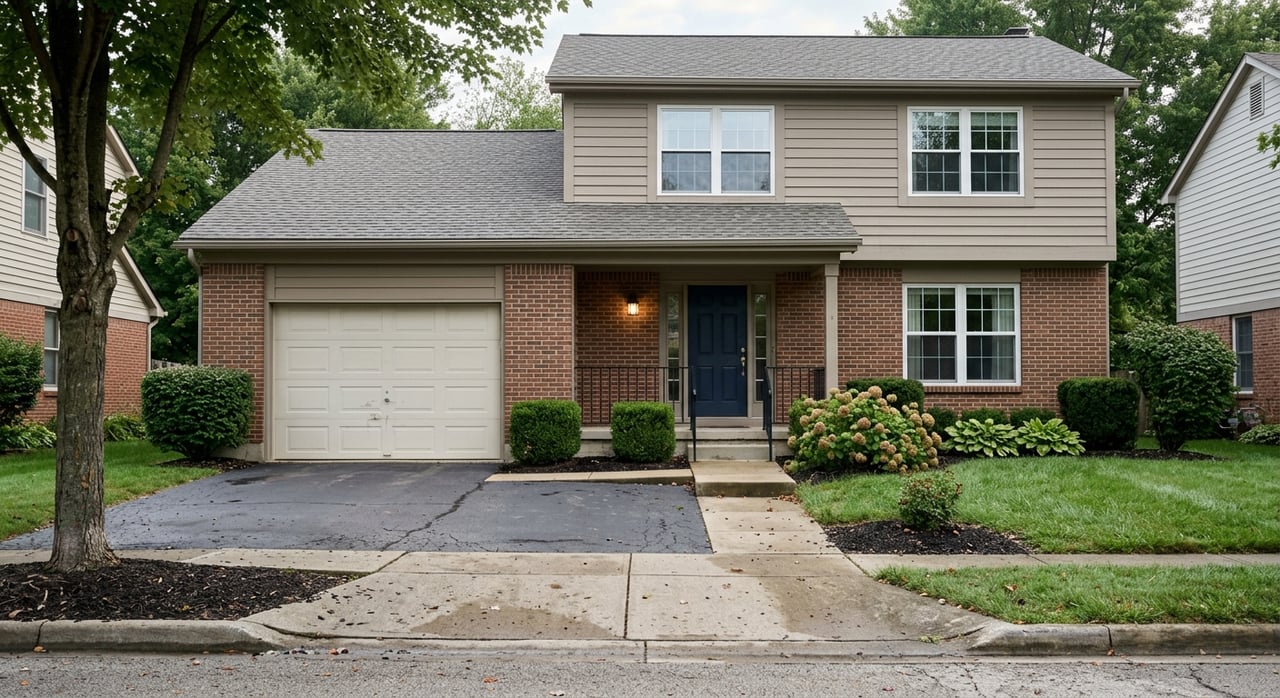
Thinking about a move to Harrisburg? You are not alone. Whether you are relocating for a state job, a medical role, airport access, or simply a more connected lifestyle, Harrisburg offers a mix of urban neighborhoods, manageable commutes, and a wide range of home options. If you want to understand how the city fits your daily routine and housing goals, this guide will help you get oriented. Let’s dive in.
Why Harrisburg Appeals to Relocating Buyers
Harrisburg gives you a different feel than many surrounding Dauphin County communities. It is a compact city of 50,649 people, and housing in the city is generally more renter-oriented than the county as a whole. According to the U.S. Census QuickFacts for Harrisburg, the city’s median home value is $121,000, compared with $236,400 countywide.
That price gap matters if you are comparing city living with suburban options nearby. It can create opportunities for buyers who want to be closer to downtown, the riverfront, or major commuter routes, while also giving you a clear picture of how Harrisburg differs from outer Dauphin County communities.
Harrisburg Neighborhoods to Know
If you are relocating, one of the first questions is simple: where should you start your search? In Harrisburg, the answer often depends on the kind of daily life you want, from walkability and arts access to green space and commuting convenience.
Downtown and Midtown Living
Downtown, Midtown, and the riverfront are part of the city’s official Harrisburg Arts District. The city describes this area as walkable and filled with museums, galleries, theater, concert venues, monuments, dining, and more than 40 murals.
If you want to live near activity, this part of Harrisburg is often where your search begins. Midtown also has a strong identity centered around the historic Broad Street Market, which dates to 1860 and continues to serve the city and region as an urban public market.
For many buyers, this central corridor offers a more connected, city-based lifestyle. You may find it especially appealing if you want quicker access to downtown offices, cultural destinations, and riverfront recreation.
Riverfront and Park Access
If outdoor space is high on your list, Harrisburg offers more than many first-time visitors expect. The city maintains 25 parks and playgrounds, with major public spaces including City Island, Riverfront Park, Reservoir Park, and Italian Lake.
These places can shape your day-to-day experience in a meaningful way. City Island and Riverfront Park support recreation along the central river corridor, while Reservoir Park includes an active native-meadow project that reflects ongoing stewardship of public green space.
Uptown and Allison Hill
Uptown and Allison Hill are established sections of the city with clear service infrastructure. The city identifies a Neighborhood Center serving Uptown, and municipal public safety resources include an Uptown fire station and an Allison Hill police substation, as shown on city department pages.
If you are relocating from outside the region, it helps to know these are recognized parts of the city rather than vague map labels. A local home search should look at each area through the lens of housing type, block-by-block feel, access routes, and how well it supports your work and lifestyle needs.
Home Options in Harrisburg
One of the biggest adjustments for relocating buyers is understanding that Harrisburg’s housing stock is often older than what you will find in newer suburban areas. That does not mean it is a bad fit. It simply means you should go in with clear expectations.
Older Housing and Historic Districts
The city notes that Harrisburg has six municipal historic districts. In those areas, some exterior changes visible from a public right of way may require review as part of the city’s historic preservation process.
For you as a buyer, that can be a benefit or a consideration, depending on your goals. If you appreciate historic character and established streetscapes, this may be part of Harrisburg’s appeal. If you want to make fast exterior changes after closing, it is important to understand the review process before you buy.
Maintenance and Rehab Considerations
Older homes can also come with more maintenance planning. The city’s housing programs include rehabilitation and lead-safe efforts, and its preservation guidance notes that the lead-safe program has made more than 800 homes lead-safe since 1995.
That does not mean every older property has the same needs, but it does mean due diligence matters. When you relocate to Harrisburg, it helps to budget for inspections, review property condition carefully, and understand how age and upkeep may affect your decision.
City Homes Versus County Options
The contrast between Harrisburg and the broader county is one of the clearest parts of your home search. City housing tends to be more urban and lower-priced on a median basis, while outer county areas often trend toward more detached homes at higher price points.
If you are comparing both, the data gives useful context. Census figures show Harrisburg’s median gross rent at $996 versus $1,217 countywide, and the city’s median home value remains far below the county figure. For some buyers, that opens the door to ownership in the city. For others, it reinforces the choice to look beyond city limits for a different housing style.
Commutes Around Harrisburg
For many relocations, commute patterns matter just as much as the house itself. The good news is that Harrisburg benefits from a strong regional transportation network and relatively short commute times.
Typical Commute Times
The U.S. Census QuickFacts reports a mean one-way commute time of 20.1 minutes in Harrisburg and 21.5 minutes in Dauphin County. That aligns with broader regional data showing that 68% of workers in South Central Pennsylvania commute less than 30 minutes, according to PennDOT project information.
For you, that means many parts of the Harrisburg area can work well for a practical daily drive. The key is matching your location to your job center and preferred route options.
Key Roads and Regional Access
PennDOT identifies the Capital Beltway, including I-81, I-83, and Route 581, as vital to the regional economy. The regional transportation plan also highlights I-283, the PA Turnpike, US 322, PA 283, PA 581, and the Airport Connector as core routes in the Harrisburg area.
That road network gives you several ways to think about a move. If your work is downtown, central Harrisburg may reduce drive time. If your job is tied to east-shore employers, airport access, or logistics corridors, route choice becomes even more important during your home search.
Transit and Rail Options
Driving is common in the Harrisburg area, but it is not your only option. rabbittransit’s Capital Region system operates 29 routes serving Dauphin County, Cumberland County, and the city of Harrisburg, plus commuter routes to Carlisle, Upper Dauphin County, and Shippensburg.
One especially useful corridor is Route 7, which links downtown Harrisburg, Penn State Harrisburg, Harrisburg International Airport, Middletown, and the broader transfer network. If your work or travel patterns connect to the east shore, that route may be worth factoring into your housing search.
For occasional longer trips, Amtrak’s Keystone Service connects Harrisburg with Philadelphia and New York. That can make rail a practical add-on if you travel periodically without wanting to drive every trip.
Matching Your Home Search to Job Hubs
A successful relocation is not just about choosing a neighborhood you like. It is about choosing a location that fits where you need to be most often.
According to Dauphin County’s 2025 top employer list from the Commonwealth of Pennsylvania, major job centers include State Government, Milton S. Hershey Medical Center, The Hershey Company, Hershey Entertainment & Resorts, UPMC Pinnacle Hospitals, Federal Government, Penn State Health, Dauphin County, HACC, PHEAA, the City of Harrisburg, and Harrisburg School District.
That creates a few common relocation patterns:
- Downtown Harrisburg for workers tied to state, county, city, or federal offices
- Hershey and Derry Township corridors for medical, hospitality, and corporate roles
- East-shore locations for Penn State Harrisburg, airport-related work, and connected commuter routes
There is also a practical quality-of-life angle here. The regional transportation strategy notes truck activity around intermodal yards in Susquehanna and Swatara Townships and around warehousing near the I-83/Eisenhower and Union Deposit interchanges. If you want to avoid heavier freight corridors, that is another factor worth discussing during your search.
How to Narrow Your Relocation Search
If you are moving to Harrisburg from outside the area, it helps to simplify your decision around a few key questions.
Ask These Before You Buy
- Do you want a more walkable, urban setting or a more detached home style outside the city?
- How important is access to downtown, the airport, or major highways?
- Are you comfortable with the maintenance needs that can come with older housing?
- Do you want to prioritize parks, riverfront access, or cultural amenities?
- Will transit or Amtrak access play any role in your routine?
These questions can quickly narrow what fits and what does not. They also help you focus on homes that support your everyday life, not just your budget.
Relocating With Confidence
A move to Harrisburg can open up several good options, but the right fit depends on how you want to live, commute, and plan for the future. Some buyers are drawn to Midtown, downtown energy, and the riverfront. Others compare the city with outer Dauphin County areas to find a different balance of home style, price, and drive time.
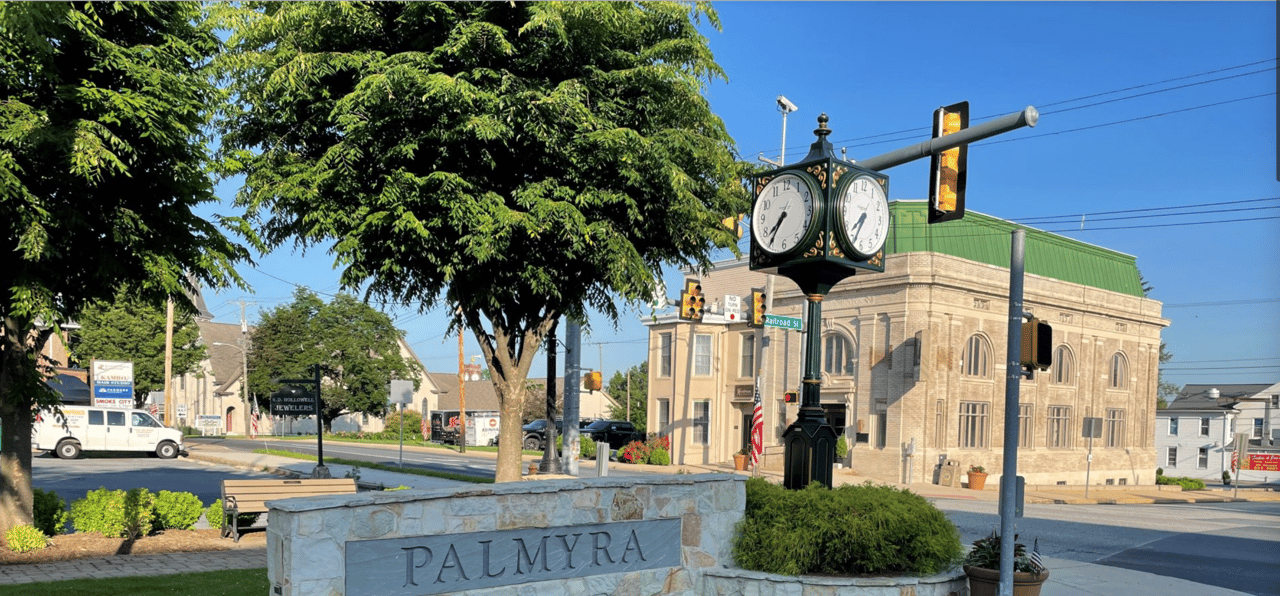
If you want local guidance as you weigh Harrisburg against Hershey, Palmyra, or other nearby communities, David Becker can help you build a relocation plan around your timeline, commute, and housing goals.
FAQs
What is the average commute time in Harrisburg, PA?
- The mean one-way commute time is 20.1 minutes in Harrisburg and 21.5 minutes in Dauphin County, according to U.S. Census QuickFacts.
What neighborhoods should you explore when relocating to Harrisburg?
- Many relocating buyers start with Downtown, Midtown, the riverfront, Uptown, and Allison Hill, then compare those areas based on housing style, access, and daily routine.
What types of homes can you expect in Harrisburg?
- Harrisburg often has older urban housing stock, including homes in historic districts, while surrounding county areas tend to offer more detached homes at higher median price points.
Is Harrisburg a good choice for buyers who want park access?
- Harrisburg offers 25 parks and playgrounds, including City Island, Riverfront Park, Reservoir Park, and Italian Lake, which gives buyers several public green-space options.
Can you commute from Harrisburg without driving every day?
- Yes. rabbittransit operates regional fixed routes in and around Harrisburg, and Amtrak’s Keystone Service connects Harrisburg to Philadelphia and New York for longer trips.