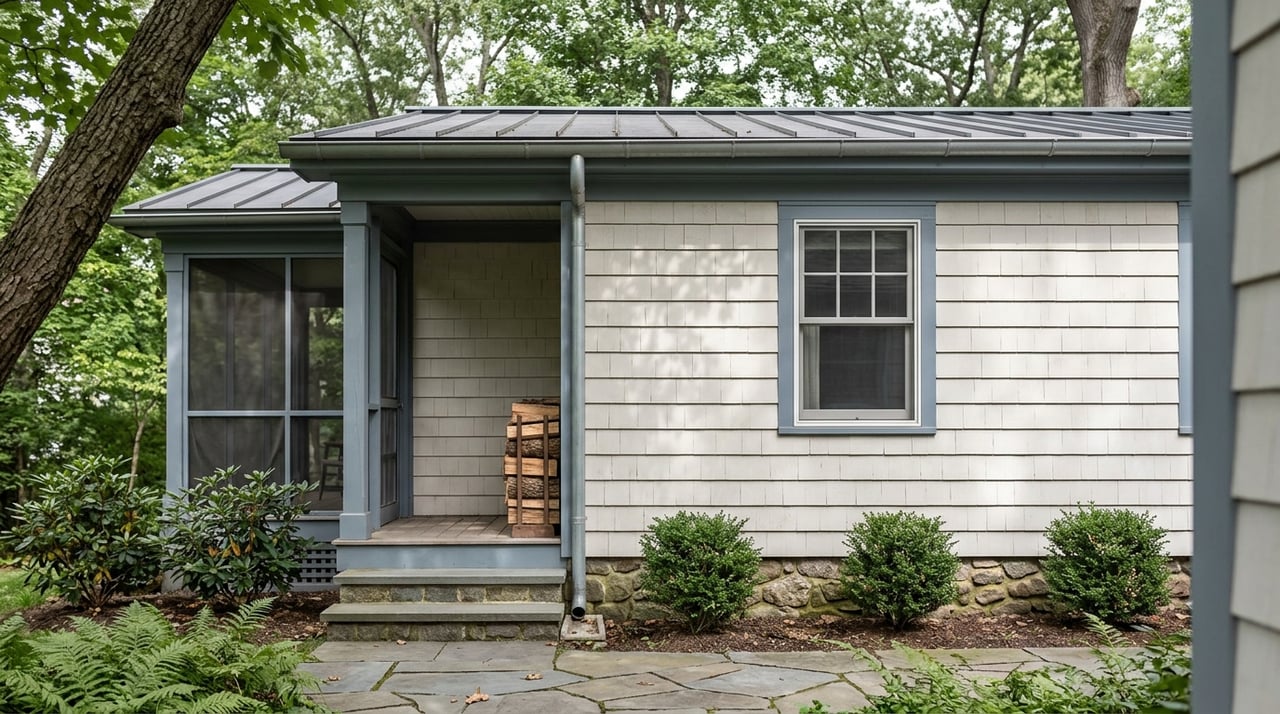
Looking at a cottage in Mount Gretna and wondering if it works like any other home purchase? In many ways, it does not. This is a historic cottage community with its own rules, costs, and ownership quirks, so doing your homework early can save you from expensive surprises later. Let’s dive in.
Why Mount Gretna buying feels different
Mount Gretna is not one uniform neighborhood. The Campmeeting area alone was chartered in 1892, covers about 33 acres, and includes 242 properties. That means one of the first things you should confirm is which local framework applies to the specific cottage you are considering.
That distinction matters because costs, rules, and approvals can vary by location. A home in the Campmeeting may come with different expectations than a property elsewhere in the larger Mount Gretna area. Before you compare prices or monthly ownership costs, make sure you are comparing similar types of properties.
The area’s history also shapes the buyer experience today. Early cottage lots were very compact, and that helps explain the close spacing, limited setbacks, and porch-centered layout that still define much of the community. In Mount Gretna, the setting around the home often matters just as much as the home itself.
Historic character shapes daily living
If you are drawn to Mount Gretna, chances are the architecture is part of the appeal. The Pennsylvania Chautauqua Historic District is listed on the National Register, and the area is known for its distinctive cottage character rather than a single, uniform home style.
You may see a mix of older cottages with different architectural influences, including styles identified in district records such as Chicago and Greek Revival. Some privately owned cottages have been maintained to reflect their early 1900s appearance, which adds charm but can also mean more questions about age, materials, and prior updates.
That is why buyers should look beyond surface-level charm. Ask about the cottage’s history, major improvements, and whether past work respected the home’s original character. In Mount Gretna, provenance and prior alterations are often part of the conversation.
Seasonal use matters more here
Not every Mount Gretna cottage is set up the same way for year-round living. Some owners live there full time, while others use their cottages seasonally. If you are planning to live in the home year-round, confirm whether the cottage is fully winterized rather than assuming it is.
This is an important question to ask early in the process. A cottage that works well in warmer months may need additional upgrades for cold-weather comfort and utility. Knowing how the property has been used can help you plan for maintenance, insurance discussions, and future costs.
You should also think about how you plan to use the home from day one. If your goal is a weekend retreat, your checklist may look different than if you need a full-time residence with dependable systems all year.
Rules can affect your plans
One of the biggest differences in Mount Gretna is the level of community regulation, especially in the Campmeeting. Quiet hours are in effect all day Sunday, from 10 p.m. to 7 a.m. on weekdays, and from 11 p.m. to 7 a.m. on Fridays and Saturdays.
There is also a defined quiet season from July 15 through August 31. During that period, high-decibel power tools and framing or roofing work are prohibited, though painting and landscaping are allowed within limited hours. If you are buying a cottage that needs work, that timing matters.
Exterior changes are also more regulated than in a typical neighborhood. Permits may be required for projects like porch enclosures, chimney work, tree removal, and other exterior improvements. The rules also address fence height, open burning, RV and camper storage, and parking in designated areas.
This can sound like a lot, but it is better to understand it before you buy. If you love the idea of preserving a historic setting and shared community standards, these rules may feel reasonable. If you want maximum flexibility to make fast changes, you will want to review them closely.
Parking and privacy deserve a close look
In many home searches, buyers focus on square footage, kitchen finishes, and bedroom count. In Mount Gretna, you should add parking and privacy to the top of your list. Parking is not uniform across the community, and some cottages do not have designated parking areas.
That means you should never rely only on listing photos. Visit the property, walk the block, and ask direct questions about where you and your guests will park. If parking is rented separately or shared informally, you should understand that clearly before making an offer.
Privacy can also feel different here because cottages may sit close together. For some buyers, that closeness is part of the charm and community feel. For others, it may be an adjustment, so seeing the cottage in person is essential.
Maintenance is more hands-on than you may expect
Mount Gretna ownership often comes with a different maintenance structure than a standard suburban home. In the Campmeeting, water and sewage service are provided by MGCA, but owners are responsible for lines from the street shutoff valve or vent inward.
Some upkeep services are shared. MGCA handles leaf and stick collection, contracts for curbside refuse and recycling, and shares snow removal responsibilities with the borough. Even with those shared services, cottage owners still need to understand where community responsibility ends and owner responsibility begins.
You should also ask whether any exterior conditions need attention now. The board may inspect exteriors, yards, and porches, and hazardous items can be removed at the owner’s expense. A careful review before settlement can help you avoid inheriting problems.
Ownership costs go beyond the mortgage
As with any purchase, you will want a full picture of ongoing costs. Property taxes should always be verified for the specific parcel, but the Lebanon County tax-rate table for January 1 through June 30, 2026 shows Mount Gretna at a total of 26.2039 mills. On a property assessed at $100,000, that equals about $2,620.39 before any exemptions or special assessments.
If the property is in the Campmeeting, MGCA homeowner assessments are a separate expense. The latest year-end review reported annual homeowner assessments of $3,231 in 2023 on 240 household units. Those assessments can be paid annually or in installments due February 28, April 30, and June 30, with a 2% discount for early payment and a 15% penalty after June 30.
Interest also accrues at 1.5% per month on unpaid balances after that point. On top of that, there may be additional costs for garage, shed, or parking rentals. This is why a lower list price does not always mean lower total ownership cost.
Ask these questions before you offer
A strong Mount Gretna offer starts with strong due diligence. Because the community has a unique mix of history, rules, and cost layers, asking the right questions early can make your decision much clearer.
Here are some smart questions to ask:
- Is the property in the Campmeeting, the borough, or another Mount Gretna neighborhood?
- Which governing body and rules apply to this specific parcel?
- Is the cottage used seasonally or year-round, and is it fully winterized?
- Does the property have assigned or designated parking?
- Can the seller provide current assessment information and utility history?
- Are there records for prior permits related to porches, fences, trees, additions, or chimney work?
- Is a Certificate of Resale required for this sale?
- If you hope to rent the property, do current association and borough rules allow that use?
These questions can help you understand not only what you are buying, but how you will live in and manage the property after closing.
Renting out a cottage has extra rules
If part of your plan is to rent out the cottage, pay close attention to local requirements. In the Campmeeting, a Certificate of Resale is required for all cottage sales and transfers as of March 15, 2025.
For owners who rent out a Campmeeting home, a valid MGCA Home Rental Permit is also required, and the current application fee is $75. Separately, Mount Gretna Borough reported a cap of 18 short-term rental licenses for 2026. Any other property renting for less than 30 days would be in violation of the borough ordinance.
This is an area where assumptions can create real problems. If rental income is part of your buying strategy, verify eligibility and licensing limits before you move forward.
The bottom line for Mount Gretna buyers
Buying a cottage in Mount Gretna is about more than finding a charming home. You are also buying into a historic, close-knit, rules-driven environment where porch use, parking, assessments, winterization, and permit compliance all affect daily ownership.
That does not make it a harder place to buy. It just makes it a place where local guidance and careful questions matter more. When you understand the setting as well as the structure, you can buy with much more confidence.
If you are considering a cottage in Mount Gretna and want help sorting through the details, David Becker can help you evaluate the property, the ownership structure, and the questions worth asking before you make a move.
FAQs
What makes buying a Mount Gretna cottage different from buying a typical home?
- Mount Gretna cottages can come with unique rules, compact lots, separate assessments, parking limitations, and questions about seasonal versus year-round use.
What should buyers ask about parking at a Mount Gretna cottage?
- You should ask whether the cottage has designated parking, rented parking, or no assigned parking at all, since parking is not uniform throughout the community.
What should buyers know about Mount Gretna cottage winterization?
- Buyers should confirm whether a cottage is fully winterized, seasonally used, or somewhere in between, especially if they plan to live there year-round.
What extra costs can come with owning a cottage in Mount Gretna?
- In addition to the mortgage and property taxes, buyers may face homeowner assessments, possible garage or parking rental costs, and maintenance expenses tied to the community’s rules.
What should buyers know about renting out a Mount Gretna cottage?
- Buyers should verify whether the property qualifies for rental use, whether an MGCA Home Rental Permit is required, and whether borough short-term rental limits affect their plans.