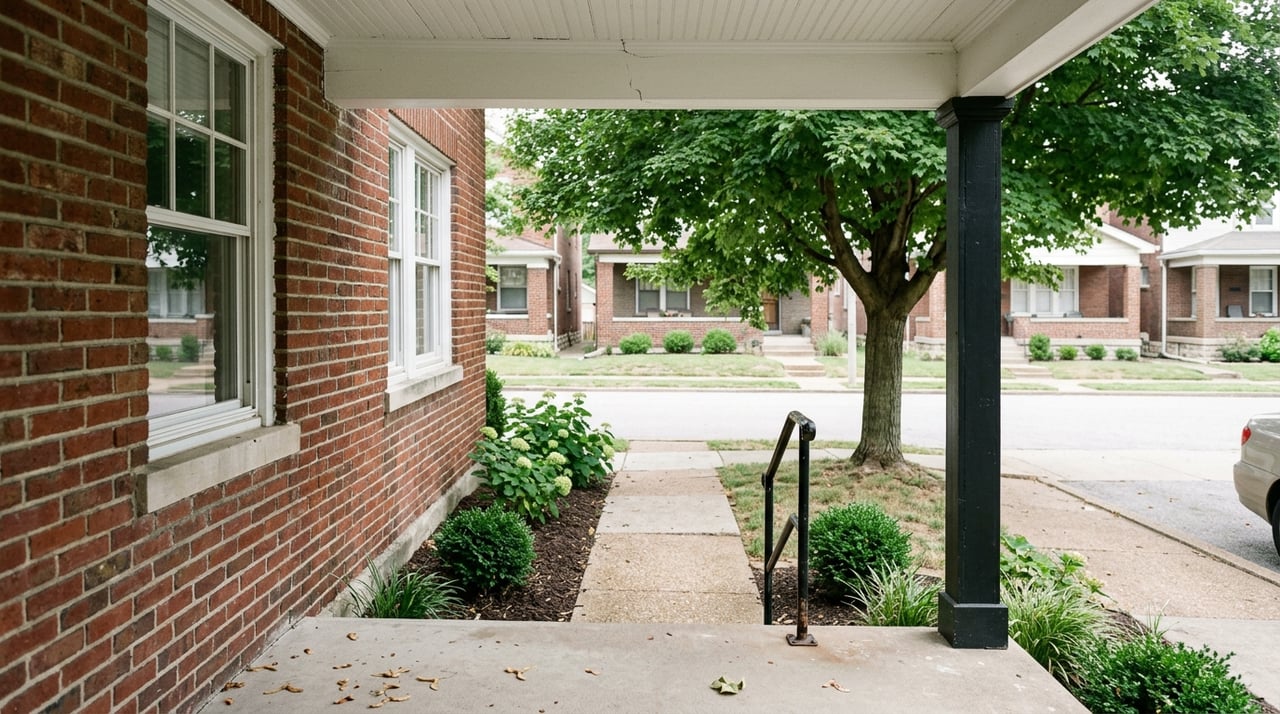
Wondering whether Harrisburg city living or a nearby suburb is the better fit for your next move? It is a smart question, especially in this part of Central Pennsylvania, where your day-to-day lifestyle can change a lot from one block or borough to the next. If you are weighing walkability, home prices, commute patterns, and the kind of space you want around you, this guide will help you sort through the tradeoffs with more confidence. Let’s dive in.
Start With Your Daily Routine
The biggest difference between Harrisburg and its nearby suburbs is not just the address on paper. It is how you want your everyday life to feel.
If you picture walking to parks, local events, or food destinations, core Harrisburg may stand out. The city describes its Arts District as a walkable area that includes downtown, Midtown, and the riverfront, and Harrisburg maintains 25 parks and playgrounds such as Riverfront Park, Reservoir Park, Italian Lake, and City Island. Broad Street Market also adds a strong urban amenity, with nearly 40 vendors and a long history as a Midtown destination. Learn more through the City of Harrisburg Arts District information and the city’s historic preservation page.
If your ideal routine involves more driving, more separation between homes, and a less dense setting, a suburb may feel more natural. Communities like Lower Paxton Township and parts of Mechanicsburg offer a more spread-out pattern than central Harrisburg, which can appeal to buyers looking for a different pace.
Harrisburg City Living at a Glance
Harrisburg offers a more urban housing and lifestyle profile than many nearby communities. According to the U.S. Census QuickFacts for Harrisburg, the city had 50,099 residents in 2020, an estimated 50,649 in 2024, and 6,170.6 people per square mile.
That density matters when you tour homes. In general, central Harrisburg has a tighter urban fabric than township-style suburbs, so you should often expect smaller parcels and less outdoor space than you may find in lower-density suburban areas. That does not describe every block, but it is a useful planning-level difference to keep in mind.
Harrisburg also has a lower owner-occupied housing rate than several nearby suburbs. The city’s owner-occupied rate is 36.6%, and its median owner-occupied home value is $124,200, based on the same Census source.
What many buyers like about Harrisburg
For some buyers, Harrisburg’s strongest draw is convenience. Walkability can be a real advantage in the core, especially near downtown, Midtown, and the riverfront.
According to Walk Score’s Harrisburg page, the city has an overall Walk Score of 68, while some core locations score much higher. One Harrisburg location in 17108 scores 88, and the Old Uptown Historic District scores 81.
Harrisburg can also appeal to buyers who want older homes, mixed-use surroundings, and a stronger sense of being near civic, cultural, and park amenities. If that sounds appealing, the city may match your priorities better than a more car-oriented suburb.
What to think about before choosing the city
City living is not one-size-fits-all. Walkability varies a lot by exact location, and more outlying city addresses can be much less walkable than the downtown and Midtown core.
For example, Walk Score shows a North Progress Avenue location at 17, which is a good reminder to choose the specific street, not just the municipality. If you are considering a home in one of Harrisburg’s six municipal historic districts, you should also understand that exterior changes may be subject to design guidelines and review through the Historic Architectural Review Board, as outlined on the city’s preservation page.
Nearby Suburbs Offer More Than One Lifestyle
One of the biggest mistakes buyers make is treating all suburbs as the same. Around Harrisburg, nearby communities range from compact, walkable boroughs to larger, more spread-out townships.
That means your choice is not simply city versus suburb. In many cases, it is really urban core versus borough feel versus suburban scale.
Camp Hill: Borough scale with city access
Camp Hill is a useful option if you want a suburban address without giving up all walkability. The Census QuickFacts for Camp Hill reports a 78.1% owner-occupied rate, a median owner value of $316,300, and a mean commute time of 20.7 minutes.
Camp Hill can surprise buyers who assume suburban always means cheaper. Its median owner value is much higher than Harrisburg’s, and a central Camp Hill location has a Walk Score of 76, which supports the idea that some borough settings still offer an easier on-foot routine.
Lemoyne: Walkable suburban borough
Lemoyne is one of the clearest examples of a nearby suburb that still feels connected and convenient. Its official community page highlights grocery shopping, specialty shops, restaurants, a community pool, eight municipal parks, and the West Shore Farmers’ Market.
For commuters, Lemoyne also benefits from direct connections to downtown Harrisburg via the I-83 John Harris Memorial South Bridge. rabbittransit routes A, B, E, and M connect downtown Harrisburg with Lemoyne and nearby West Shore communities, which can matter if you want flexibility in how you get around. You can review those options through rabbittransit’s Capital Region routes.
Mechanicsburg: More suburban, still centered
Mechanicsburg is more suburban in feel, but it still has a recognizable downtown identity. The Census QuickFacts for Mechanicsburg lists 9,311 residents in 2020, a 69.6% owner-occupied rate, a median owner value of $241,200, and a mean commute time of 24.8 minutes.
Downtown Mechanicsburg Partnership describes the borough as a town with a festival-oriented main street identity. For buyers who want a suburban routine with some town-center character, Mechanicsburg can be worth a closer look.
Lower Paxton Township: More space, more driving
Lower Paxton Township is a strong contrast to Harrisburg’s core. The Census QuickFacts for Lower Paxton Township reports 53,501 residents, a 66.5% owner-occupied rate, a median owner value of $284,700, and 1,900 people per square mile.
That lower density helps explain why Lower Paxton often appeals to buyers looking for a more spread-out environment and a more car-oriented routine. If your priority is suburban scale rather than central walkability, this type of market may fit better.
Hummelstown and Hershey: Suburban does not always mean lower cost
Hummelstown and Hershey are important examples because they challenge two common assumptions. First, suburban locations are not always less walkable. Second, they are not always less expensive.
Visit Hershey & Harrisburg notes that Hummelstown sits just outside Hershey and offers shops and restaurants around Main Street. Walk Score shows one West Main Street address in Hummelstown at 83, while a more outlying location scores 3, which again shows how much the exact block matters.
Hershey CDP has a 53.7% owner-occupied rate and a median owner value of $379,200, reinforcing that some nearby suburban markets are premium-priced. If you are comparing options strictly by the word “suburb,” you may miss that nuance.
Compare Price, Space, and Ownership Patterns
If budget and home style are high on your list, the numbers help frame the conversation. Based on the Census data in the research above, Harrisburg’s median owner-occupied home value is $124,200, compared with $241,200 in Mechanicsburg, $284,700 in Lower Paxton Township, $316,300 in Camp Hill, and $379,200 in Hershey.
That does not mean every Harrisburg home is less expensive or every suburban home is more expensive. It does mean the city and suburbs often sit in different value and housing-pattern ranges, and that buyers should compare real options rather than rely on assumptions.
Here is the practical takeaway:
- Harrisburg may appeal if you want central access, urban amenities, and older housing stock.
- Camp Hill or Lemoyne may fit if you want a borough feel with easier access to the city.
- Mechanicsburg or Lower Paxton Township may make sense if you want a more suburban routine and broader spacing between homes.
- Hummelstown and Hershey are reminders that suburban living can still be walkable and can come at a higher price point.
Commute Time Is Only Part of the Story
At first glance, commute times across the area are fairly close. The Census reports mean commute times of 20.1 minutes in Harrisburg, 20.7 minutes in Camp Hill, 21.4 minutes in Lower Paxton Township, and 24.8 minutes in Mechanicsburg.
That is why the smarter question is not just, “How far is it?” It is, “How do I want to move through my day?”
If you want the option to walk, use transit, or stay closer to a downtown pattern, Harrisburg, Lemoyne, and parts of Camp Hill may offer more flexibility. If you expect to drive for most errands and want a more spread-out routine, larger suburban areas may line up better with your habits.
Choose the Block, Not Just the Town
This may be the most important takeaway of all. Around Harrisburg, city versus suburb is not a clean binary.
Some suburban boroughs are quite walkable, while some city addresses are still car-dependent. Walk Score examples in the research show Harrisburg ranging from the high 80s in core areas to 17 on a more peripheral street, Camp Hill ranging from 76 in a central location to 1 on a suburban drive, and Hummelstown ranging from 83 on Main Street to 3 in a less central spot.
So when you tour homes, pay close attention to the immediate surroundings. Look at where you would shop, park, commute, and spend your weekends. In this market, the right fit often comes down to the exact block and not just the zip code.
Which Fits You Best?
If you want a more urban routine, stronger access to parks and mixed-use areas, and the possibility of higher walkability in the core, Harrisburg may be the better fit. If you want a borough setting with access to downtown Harrisburg, Camp Hill or Lemoyne may deserve a closer look.
If you prefer a more suburban pace, broader spacing, and a more car-oriented pattern, Mechanicsburg or Lower Paxton Township may feel more comfortable. And if you are drawn to suburban living but still want a walkable main-street pocket, Hummelstown is a great reminder that you do not have to choose based on labels alone.
If you are comparing Harrisburg with nearby suburbs and want help narrowing down the right streets, commute patterns, and housing options for your goals, connect with David Becker. You will get practical local guidance, clear next steps, and a team that understands how to match lifestyle with location.
FAQs
How does Harrisburg city living compare with nearby suburbs for walkability?
- Harrisburg generally offers stronger walkability in core areas like downtown, Midtown, and the riverfront, but some suburban boroughs such as Lemoyne, Camp Hill, and parts of Hummelstown also have walkable pockets.
Are homes in Harrisburg usually less expensive than homes in nearby suburbs?
- Census data in the research shows a lower median owner-occupied home value in Harrisburg than in Camp Hill, Mechanicsburg, Lower Paxton Township, and Hershey, but actual home prices still vary by property type, condition, and location.
Do Harrisburg suburbs always offer more space than homes in the city?
- In general, lower-density suburban areas tend to have a more spread-out pattern than central Harrisburg, where tighter lots and a denser urban layout are more common.
What should buyers know about Harrisburg historic districts before buying?
- Harrisburg has six municipal historic districts, and some exterior changes may be subject to design guidelines and review by the Historic Architectural Review Board.
Is commuting from a suburb to Harrisburg always harder than living in the city?
- Not always. Mean commute times are fairly close across Harrisburg, Camp Hill, Lower Paxton Township, and Mechanicsburg, and some suburbs also have rabbittransit connections to downtown Harrisburg.
How should you choose between Harrisburg and nearby suburbs when moving to Dauphin County?
- Focus on your daily routine, including how much you want to walk, drive, use transit, or maintain outdoor space, and compare the exact street and neighborhood pattern rather than relying only on the town name.