If you are thinking about buying a rental near Lebanon Valley College, Annville can look appealing at first glance. It has a built-in college presence, a small-town setting, and a housing mix that may fit different investment budgets. The key is knowing that this is not a wide-open student housing market, and the details matter. This guide will help you understand demand, zoning, licensing, and day-to-day ownership so you can evaluate an Annville rental with clear eyes. Let’s dive in.
Why Annville Draws Rental Investors
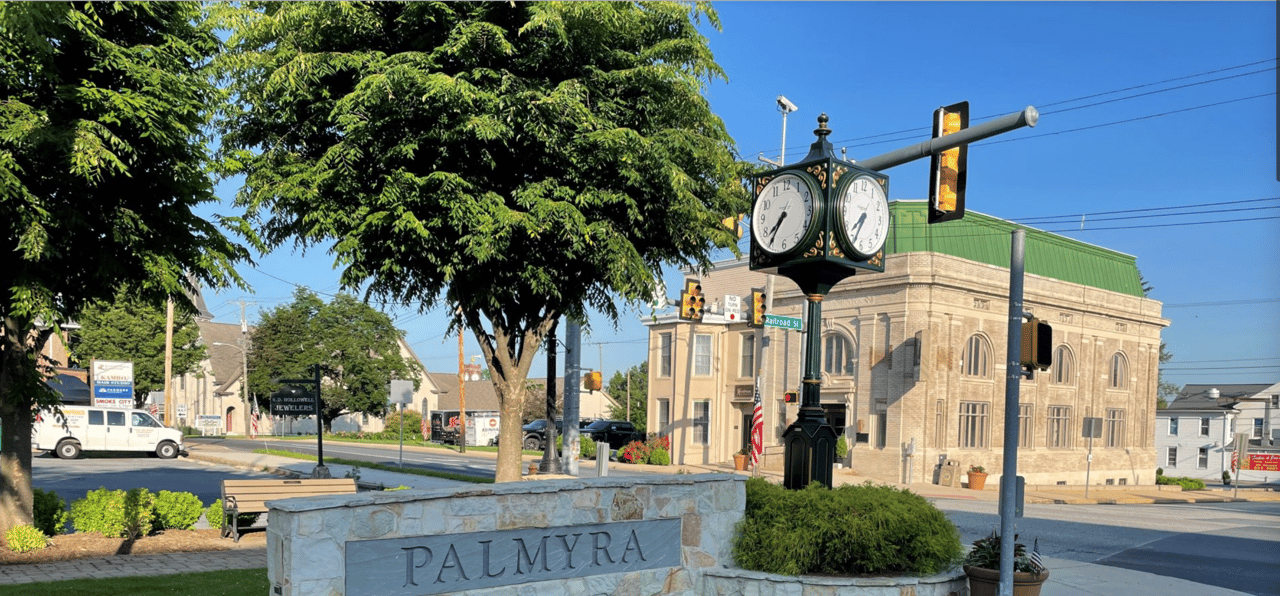
Annville Township is a small market, which can be both a benefit and a constraint. The Census Bureau reports a population of 4,759, an owner-occupied housing rate of 60.7 percent, and a median gross rent of $1,085 for 2020 through 2024. That creates a rental market that is real, but not unlimited.
Lebanon Valley College adds an important layer of demand. For 2025 to 2026, the college reported 1,674 full-time undergraduates and 416 graduate students. That gives investors a clear reason to look near campus, especially if they want a property with a defined renter audience.
College Demand Is Real, But Narrower
One of the biggest mistakes investors make with college-adjacent rentals is assuming every student is a potential off-campus tenant. In Annville, that is not the case. Lebanon Valley College states that first-year students live in residence halls, while upperclass students may choose suite-style or apartment-style housing when available.
The college also says commuters must live within 30 miles in a parent or guardian home or other permanent residence. Graduate housing is limited and based on space availability. In practical terms, the off-campus tenant pool is likely to come more from upperclass students and some graduate students than from first-year undergraduates.
That smaller and more specific demand pool matters when you run numbers. A college next door can support occupancy, but it does not remove the need for conservative underwriting. In a town this size, overestimating demand can hurt returns quickly.
Property Types You May See Near Campus
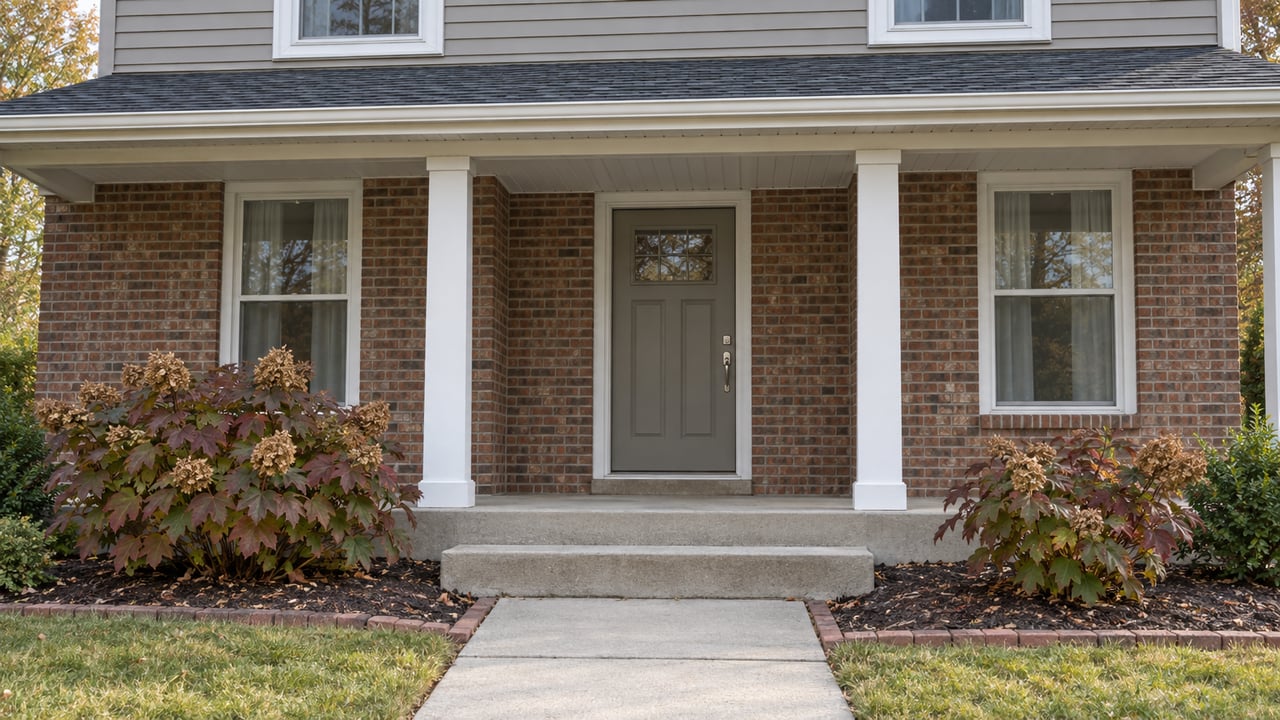
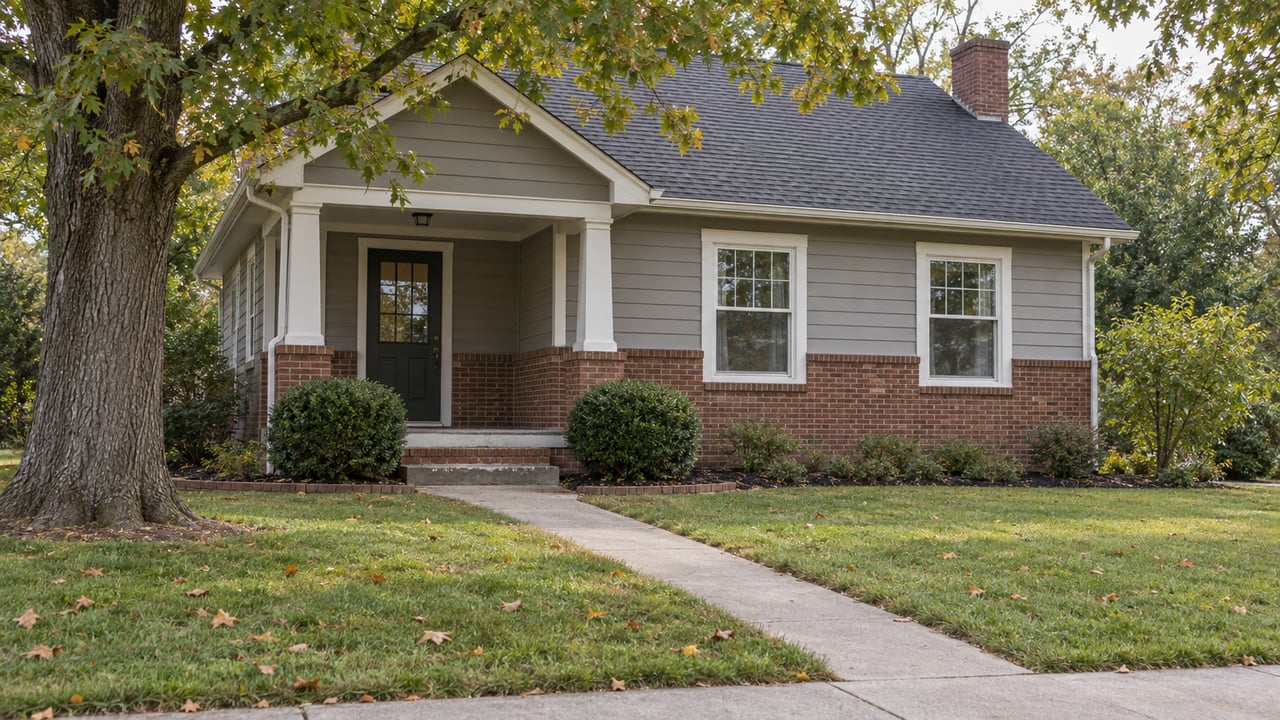
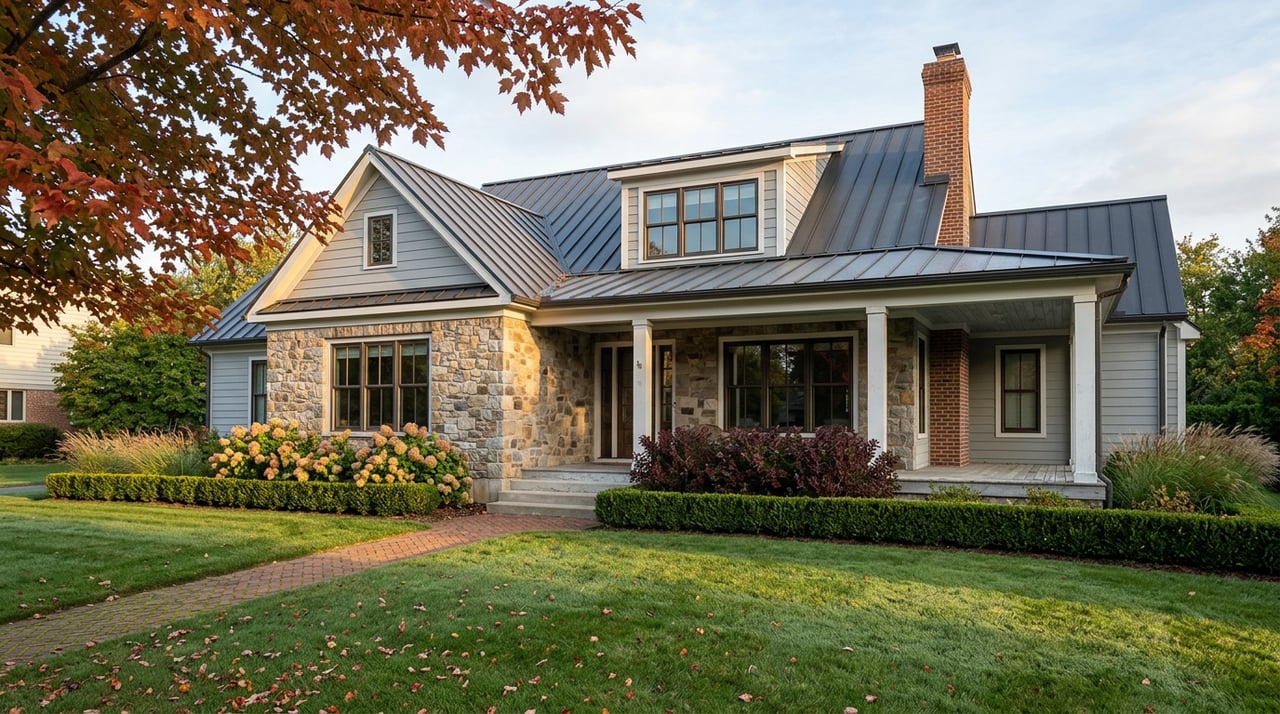
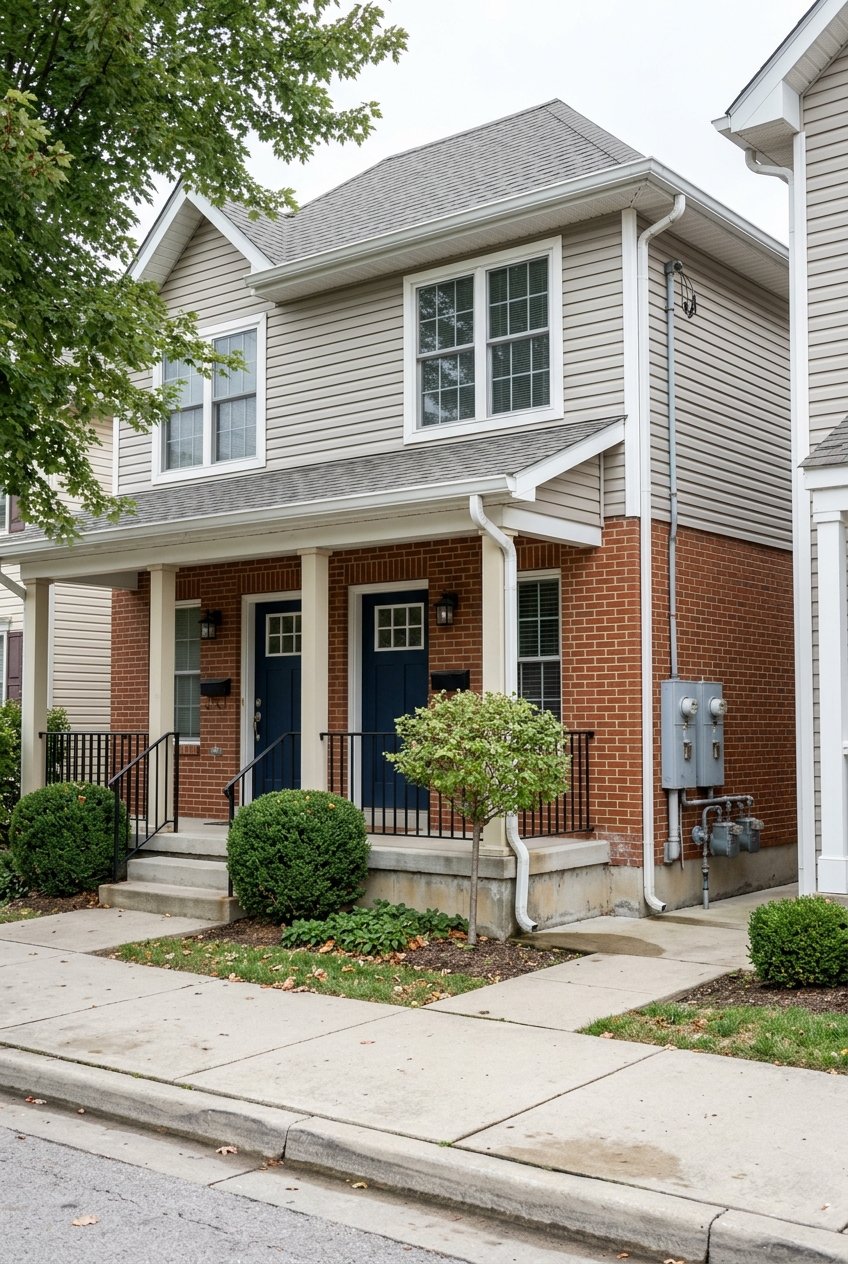
Annville’s zoning code recognizes a wide range of residential property types. These include single-family detached homes, semi-detached homes, two-family homes, multifamily dwellings, townhouses, apartment buildings, and rooming units. That means the rental stock near campus may include small houses, duplexes, and smaller multifamily properties rather than only large apartment buildings.
For many investors, that can open up more entry points. A smaller house or duplex may offer a more manageable first investment than a larger property. Still, the best fit depends less on the label of the property and more on whether the layout, occupancy, and zoning support your rental plan.
Occupancy Rules Matter More Than You Think
In Annville, the occupancy rule is one of the most important factors to review before you buy. The township defines a family as related occupants or up to five unrelated people sharing one dwelling unit. The code also says each townhouse, apartment unit, multifamily unit, and rooming unit is treated as a separate residential rental unit.
This matters because college-adjacent investors often focus on bedroom count alone. In Annville, roommate count and unit setup can be just as important. A property with several bedrooms may still need a close review of how the township classifies the use and how many unrelated occupants can legally share the unit.
The code also states that if anyone other than the owner and family occupies a unit, it is treated as a rental. If only part of a structure is rented, that structure is still treated as a rental unit. That makes it important to understand the property’s current use and your intended use before closing.
Check Zoning Before You Commit
Annville includes several zoning districts, including R1, R2, R3, and R4 residential areas, along with town center, commercial, light industrial, institutional, village, historic, and floodplain overlays. Because zoning varies by parcel, you should confirm the specific district for any property you are considering.
You should also confirm whether your planned use or renovation would trigger additional township review. Depending on the property and your plans, you may need zoning permits, a certificate of use and occupancy, or zoning hearing board review. Annville’s rules separate these processes, so it is smart to treat them as separate due diligence items rather than assuming one approval covers everything.
The township’s permit information also notes that building permits are required for new structures and certain site work. At the same time, routine like-for-like roof or window replacement is not treated as a building permit item. If your business plan depends on renovations, permit timing and scope should be part of your budget from day one.
Annville Rental Licensing Basics
Annville requires an annual residential rental license for each rental unit. This is not a one-time step. It is an ongoing operating requirement, and it applies unit by unit.
The license is also not transferable when a property changes hands. If you buy a rental property, you must apply for a new license within 30 days after the sale or transfer. That is a key closing checklist item for any investor.
The 2026 township application is completed separately for each unit and asks for details such as:
- Rental address
- Dwelling type
- Number of tenants
- Owner contact information
- Lease start date
- Local manager contact information if the owner lives more than 30 miles away
If you live more than 30 miles from the property, the township requires a manager within 30 miles who can accept service of process. For out-of-area owners, that requirement can affect both operating costs and property management plans.
Licensing Does Not Equal Full Compliance
A rental license is important, but it is not the same thing as full code or zoning compliance. Annville’s application notes that issuing a license does not prove compliance with other township ordinances or codes.
That distinction is easy to miss, especially for newer investors. You may have a licensed unit and still need to resolve other issues tied to use, permits, occupancy, or property condition. A careful pre-closing review can help you avoid buying a problem you thought had already been cleared.
Occupancy Reporting Is Ongoing
Annville also requires owners to report occupant counts within 10 days of occupancy and again on the annual license. Owners must notify the township when occupancy changes.
For college-adjacent rentals, that matters because tenant turnover can be more frequent than in a traditional long-term rental. If your property will likely see changing roommate groups or annual lease cycles, you need systems in place to keep those reports accurate and timely.
Maintenance Is Part of the Business Plan
Campus-adjacent investing can sound simple on paper, but operations matter. Annville Township says it adopted the 2012 International Property Maintenance Code, and its housing rules require properties to be kept free of weeds, trash, debris, graffiti, and other signs of abandonment.
Lawns and landscape areas must be cut and trimmed. Vacant properties must also be secured so unauthorized people cannot enter. For an investor, that means exterior upkeep, vacancy checks, and turn preparation are not optional extras. They are part of the routine cost of ownership.
This is especially important in a small-town setting where deferred maintenance stands out quickly. A clean, secure, well-kept property supports better tenant experience and helps you stay aligned with local rules.
Lease Basics Under Pennsylvania Rules
A strong written lease is one of the best tools you have as a landlord. Pennsylvania guidance says a written lease should clearly state the property address, lease length, rent payment procedure, utilities, termination or renewal terms, and the security deposit amount.
Pennsylvania also limits security deposits to two months’ rent during the first year and one month’s rent at the start of the second year. Interest rules begin in the third year. After move-out, the landlord has 30 days to return the deposit or provide an itemized damage list.
The state also recognizes an implied warranty of habitability. In simple terms, serious defects affecting safety or livability cannot be waived by lease language. If you are buying an older home near campus, condition and repair planning should be part of your underwriting from the start.
A Few Practical Investor Takeaways
If you are comparing opportunities in Annville, a compliance-first approach is the most defensible one. The presence of Lebanon Valley College creates a meaningful tenant base, but the market is still limited by school housing rules, local occupancy standards, and township oversight.
Before you move forward on a purchase, focus on the basics:
- Confirm the zoning district and any overlays
- Verify how the township classifies the current and intended use
- Review occupancy limits for unrelated tenants
- Check whether permits or a certificate of use and occupancy may be needed
- Plan for annual rental licensing and occupancy reporting
- Budget for routine maintenance, turnover work, and vacancy security
- Use a written lease that follows Pennsylvania rules
In Annville, the best investment decisions usually come from careful due diligence, not broad assumptions about student housing. A property that looks promising online may or may not fit your goals once zoning, licensing, layout, and operations are fully reviewed.
If you want local guidance as you evaluate an investment purchase in Annville or the surrounding Lebanon County market, David Becker can help you sort through property fit, due diligence questions, and next-step strategy.
FAQs
What makes Annville different from a larger college rental market?
- Annville is a small market with a population of 4,759, and Lebanon Valley College creates a real but limited off-campus renter pool that is most relevant to upperclass students and some graduate students.
What occupancy rule should Annville rental investors know first?
- Annville defines a family as related occupants or up to five unrelated people sharing one dwelling unit, so roommate count and unit layout should be reviewed carefully before purchase.
What license do you need for a rental property in Annville?
- Annville requires an annual residential rental license for each rental unit, and a new owner must apply within 30 days after a sale or transfer because the license does not transfer with the property.
What happens if the rental owner lives far from Annville?
- If you live more than 30 miles away, the township requires a manager within 30 miles who can accept service of process.
What should a Pennsylvania lease include for an Annville rental?
- A written lease should clearly cover the property address, lease term, rent payment procedure, utilities, termination or renewal terms, and security deposit amount.
What maintenance issues should Annville landlords plan for?
- Owners should budget for lawn care, debris removal, vacancy security, and routine turnover upkeep because the township requires properties to be maintained and secured.